Most people do not fail at change because they lack discipline. They fail because their routine still rewards the old habit faster than the new one. That is where a real guide to plant based habit change needs to start - not with willpower, but with replacement.
If you are trying to drink less, cut back on nicotine, rely less on caffeine, or stop chasing quick relief from stress and poor sleep, the goal is not to white-knuckle your way through the day. The goal is to build a system where a better option is easy, satisfying, and consistent enough to become your new normal.
What plant based habit change actually means
Plant based habit change is not just swapping one product for another. It is the process of using non-habit-forming, plant-forward tools to interrupt an unwanted pattern and support the need underneath it. Sometimes that need is calm. Sometimes it is energy, focus, pain relief, or better sleep. If you miss that deeper driver, the habit usually comes back wearing a different outfit.
That is why quick advice often falls apart. Telling someone to stop reaching for alcohol at night or extra coffee in the afternoon ignores the reason they reach for it in the first place. A more effective approach asks a better question: what job is this habit doing for you?
For one person, alcohol softens the transition from work mode to family mode. For another, nicotine creates a break in a stressful day. For someone else, caffeine props up poor sleep and chronic overload. The replacement has to match the job, not just the substance.
The guide to plant based habit change starts with pattern recognition
Before you change anything, study the habit without judging it. Most people are too busy fighting the behavior to notice its structure. But habits follow loops. There is usually a trigger, a routine, and a reward.
Maybe your trigger is 3 p.m. brain fog. The routine is another coffee. The reward is mental lift and a sense that you can keep going. Or maybe your trigger is social anxiety before bed. The routine is a drink. The reward is a short exhale from the day.
When you name the loop, your options expand. You stop seeing yourself as someone with a bad habit and start seeing yourself as someone who has a predictable response to a predictable state. That shift matters. It turns shame into strategy.
Write down what is happening for a week. Note the time, what you felt right before the urge, what you reached for, and how you felt 20 minutes later. Patterns show up quickly. So do the weak points in your day.
Look for the real need beneath the urge
The same behavior can come from very different needs. Evening snacking might be hunger, boredom, or emotional depletion. Excess caffeine might be fatigue, poor nutrition, or a nervous system that never gets a real recovery window. If you assume every urge is the same, you will choose replacements that do not stick.
The most sustainable changes happen when you support the body and the routine at the same time. Calm the stress response, improve sleep quality, reduce discomfort, and create rituals that feel rewarding. That is a much stronger foundation than raw resistance.
Build a replacement that is specific enough to use
The biggest mistake in habit change is being too vague. People say they want to be healthier, cut back, or do better. None of that helps at the exact moment an urge hits. You need a replacement plan that is concrete.
Instead of saying, I am going to drink less, say, When I want a drink after dinner, I will take ten minutes to reset with a plant-based evening ritual that helps me actually feel off duty. Instead of saying, I need less caffeine, say, At my usual afternoon crash, I will use hydration, a protein-forward snack, light movement, and a non-jittery support option before deciding whether I still need coffee.
Specificity lowers friction. It also makes progress measurable.
Make the new habit easier than the old one
Convenience often beats intention. If the old habit is one arm's reach away and the new one takes planning, guess which one wins on a hard day.
Set up your environment so the replacement is visible and ready. Keep your evening support in the kitchen, not buried in a cabinet. Put your stress-relief ritual where your workday ends. Prepare for the hour you usually slip, not the hour you feel motivated.
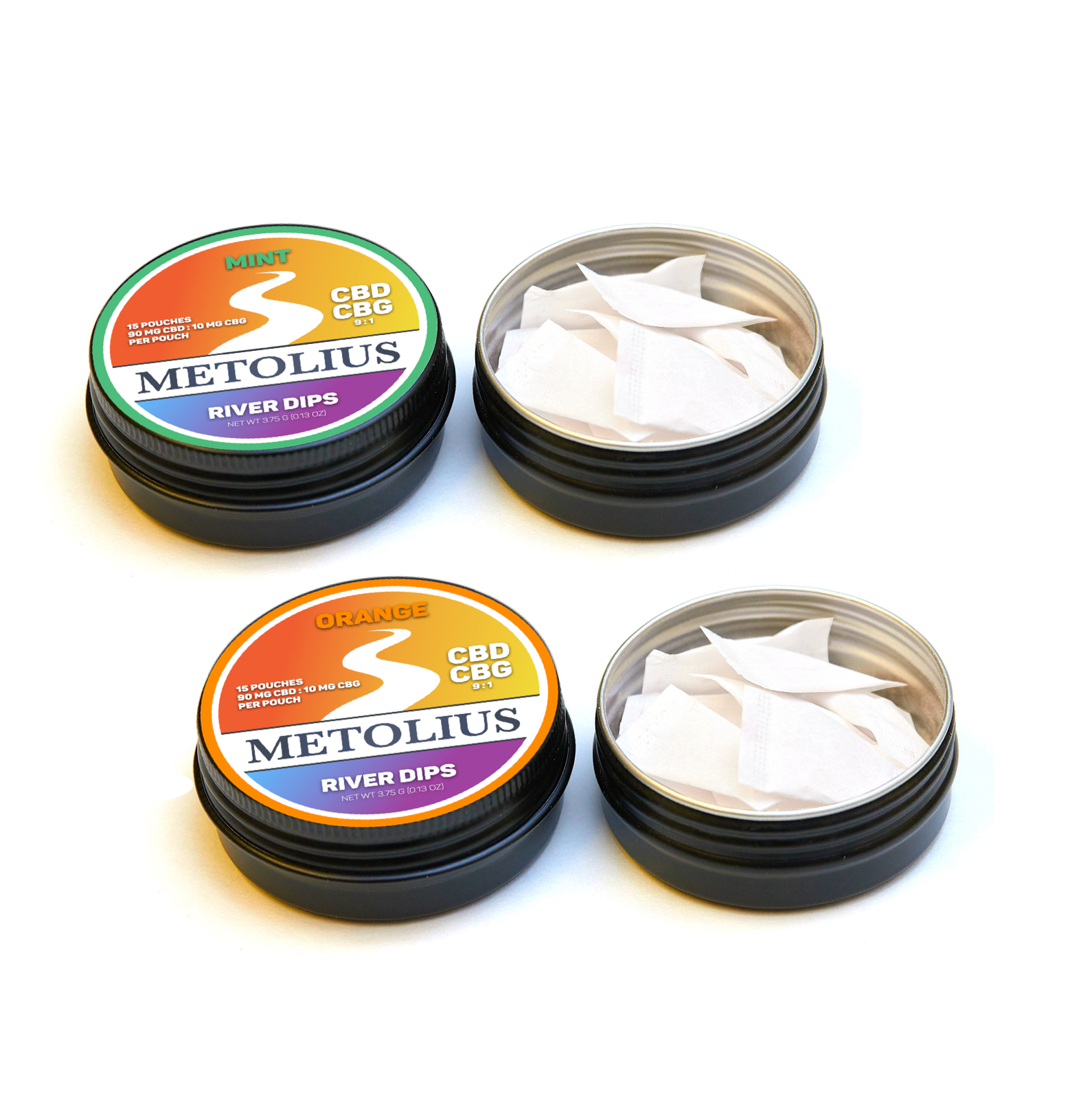
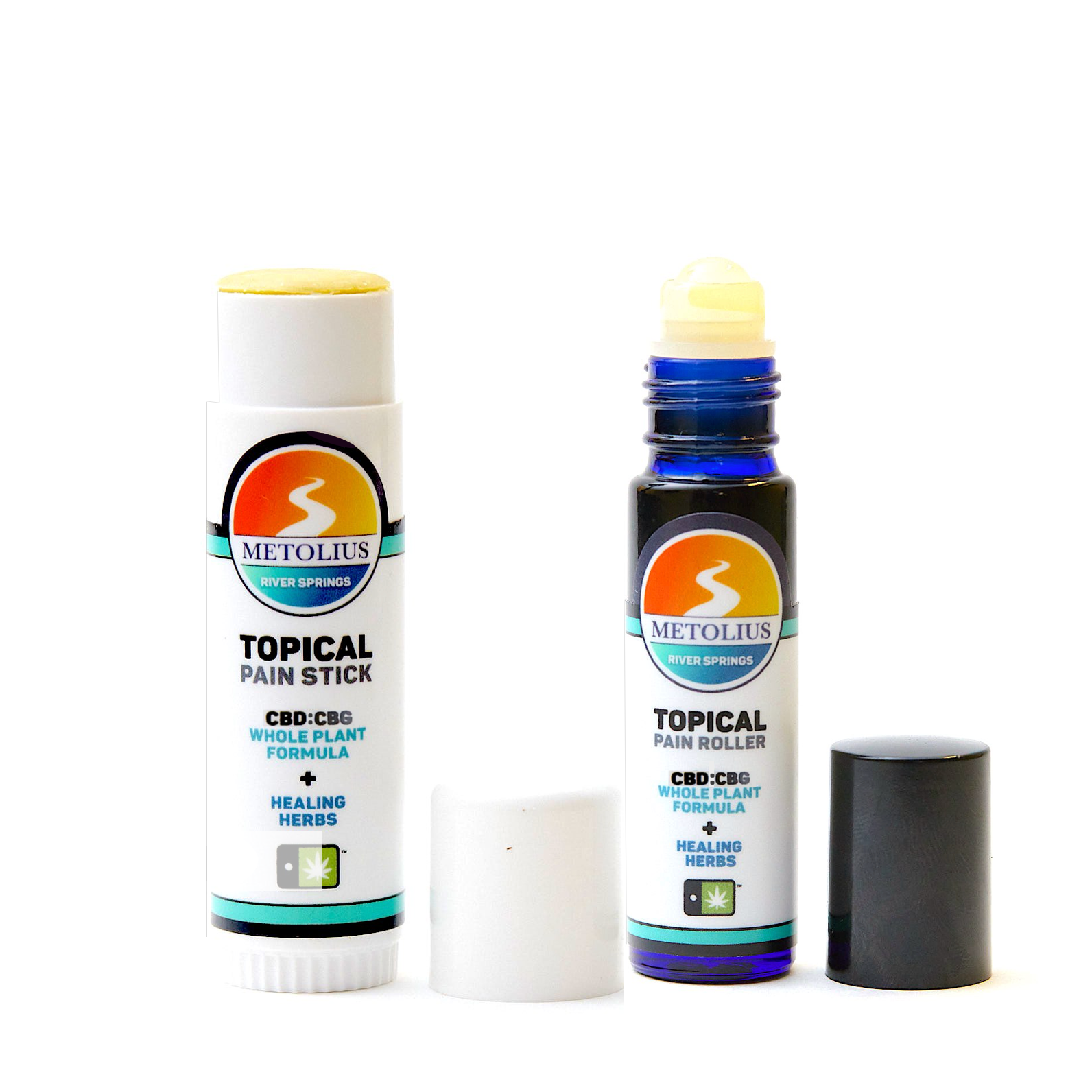
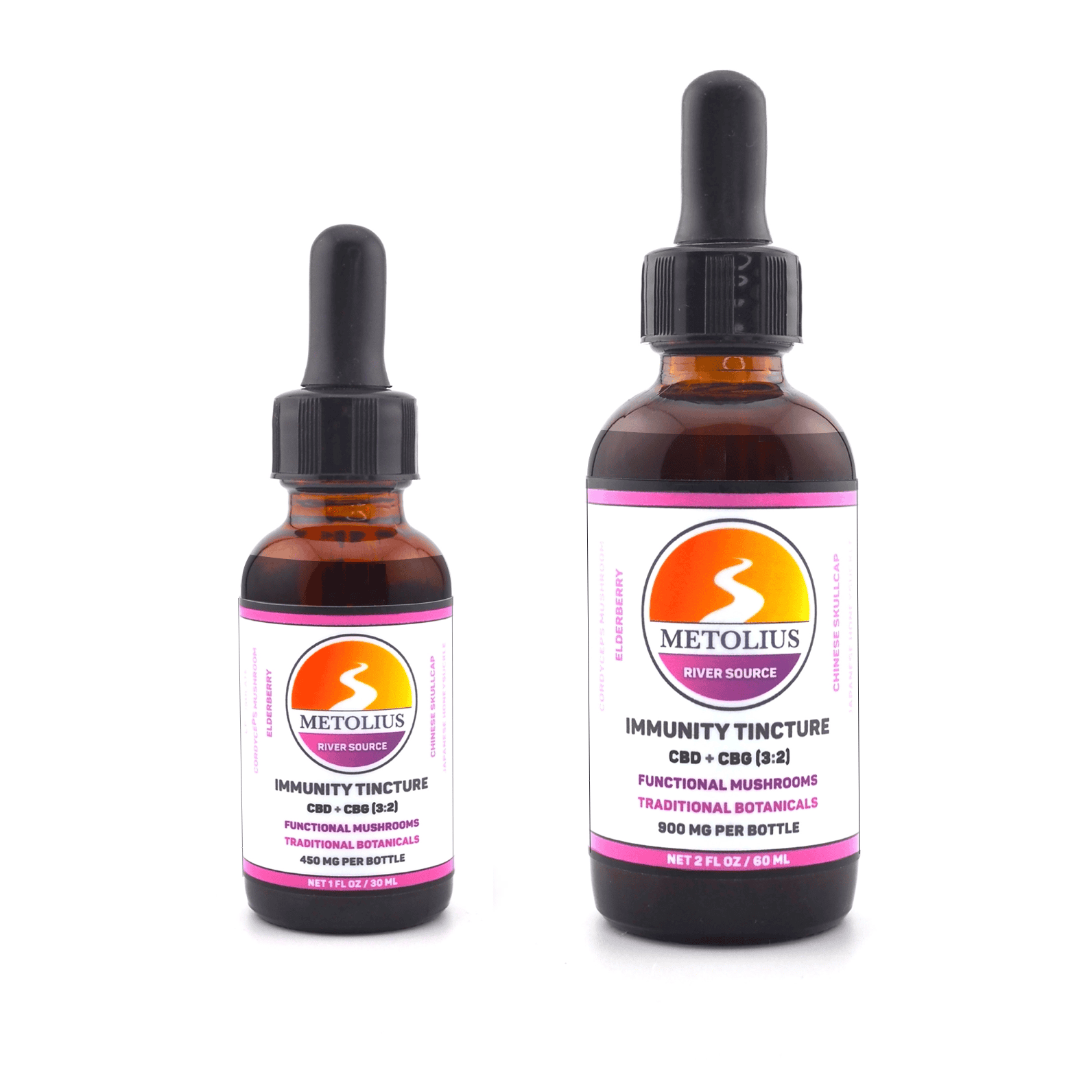
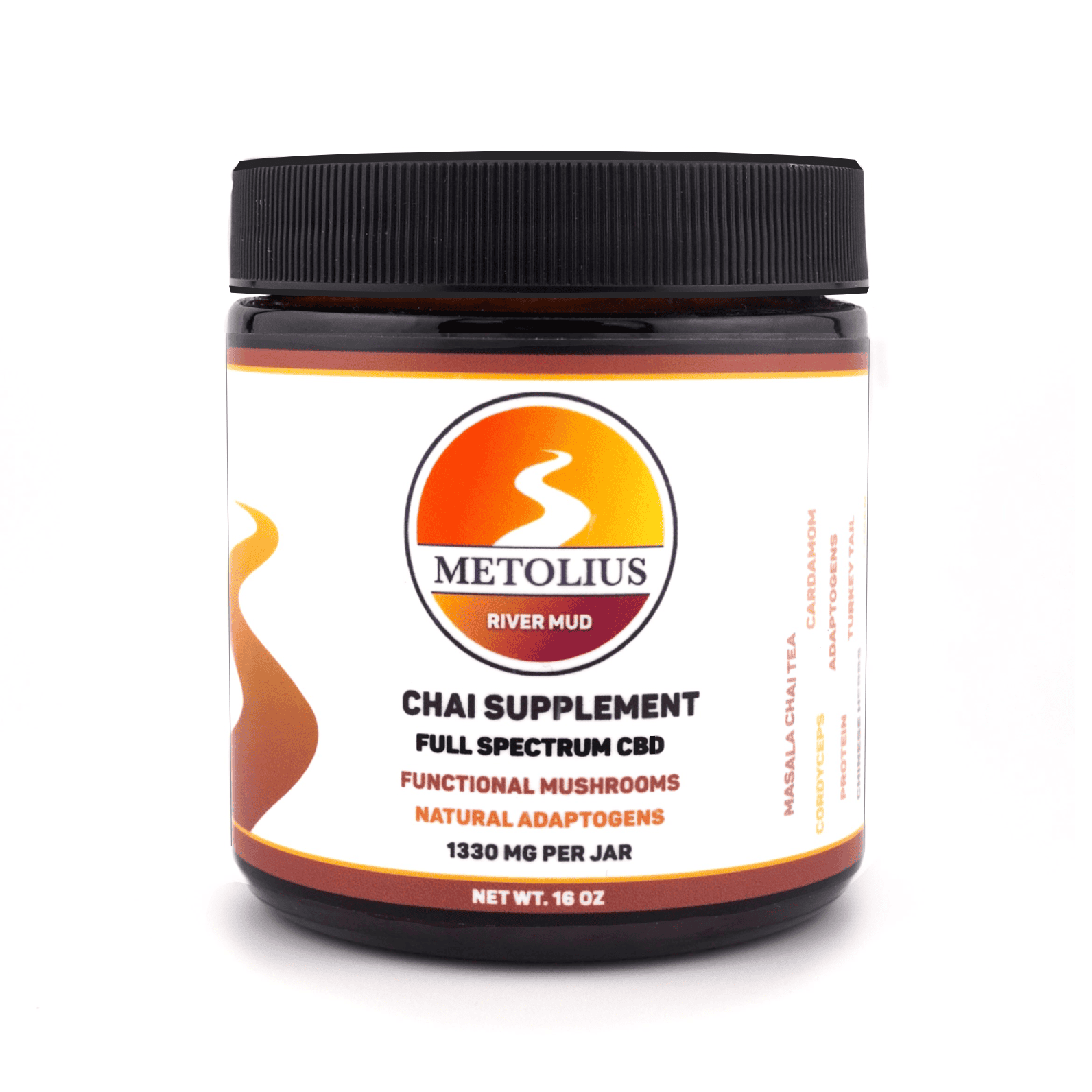
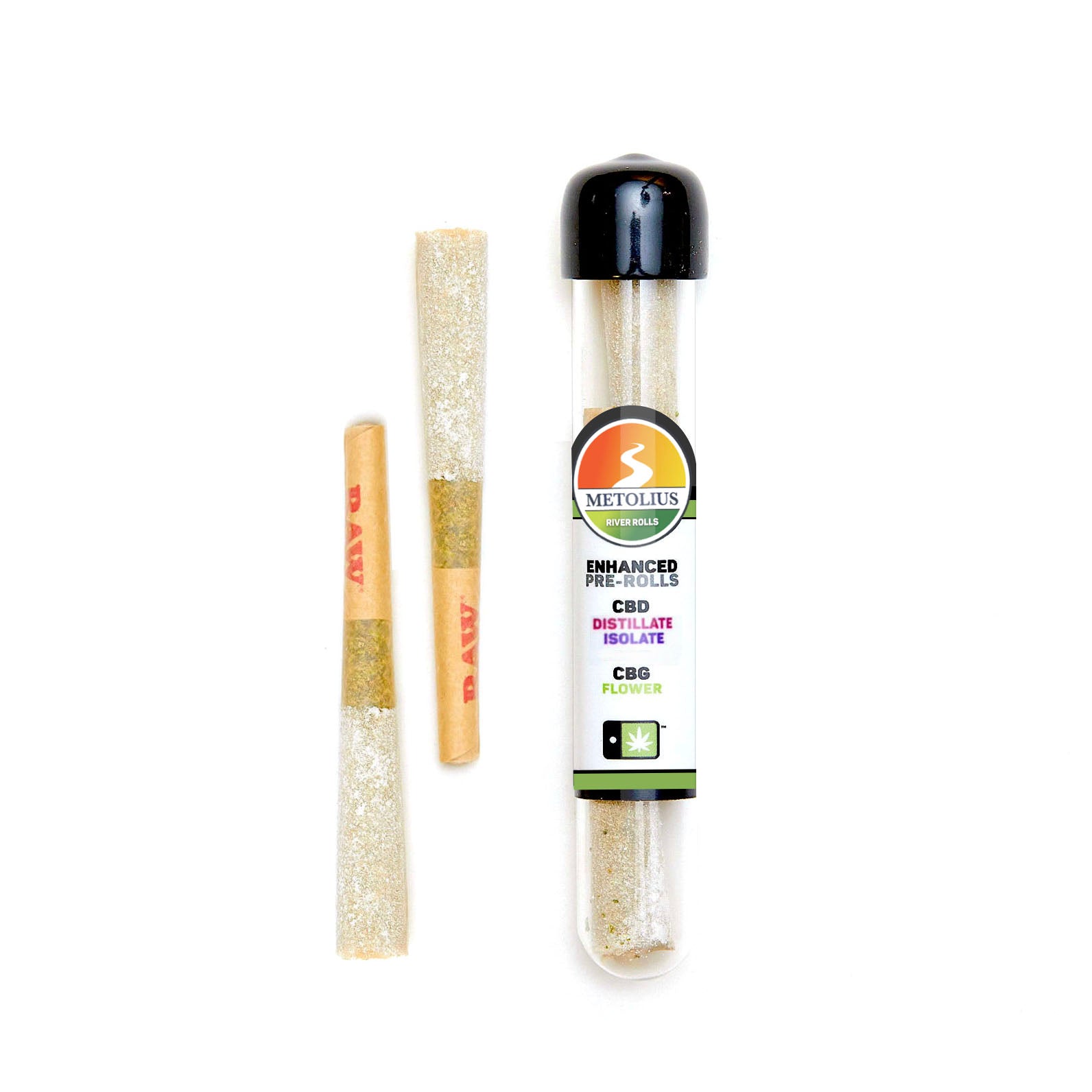
This is where premium plant-based tools can fit naturally. The right support can help bridge the gap between what your body is asking for and what you are trying to move away from. That may look like calming cannabinoids with botanicals for stress support, a sleep-forward formula for nighttime restlessness, or a non-habit-forming option that helps replace the ritual of alcohol or nicotine. The details depend on the person, but the principle is the same: match the product to the pattern.
Start smaller than your pride wants to
Ambition is useful, but it can also sabotage consistency. If you are trying to overhaul five habits at once, you are probably building a short burst, not a durable change.
Start with one pressure point. Choose the habit that creates the most downstream benefit if it improves. For many people, that is sleep. Better sleep can reduce sugar cravings, caffeine dependence, irritability, and stress reactivity. For others, it is the evening alcohol ritual or the all-day caffeine cycle.
Small wins are not cosmetic. They teach your brain that change is possible and repeatable. That is how identity shifts happen. You stop being someone who is trying to quit something and become someone who knows how to regulate, recover, and choose differently.
Expect trade-offs, not perfection
Any honest guide to plant based habit change should say this clearly: some replacements work right away, and some need adjustment. What helps one person feel calm may make another person feel too relaxed in the middle of a busy day. What supports sleep for one person may not touch another person's real issue, which could be late-night stress, pain, hormones, or poor sleep timing.
That does not mean the approach is flawed. It means habit change is personal. You may need to experiment with timing, dosage, ingredients, and routines. You may also need to pair plant-based support with other basics that are less exciting but equally important, like eating enough protein, getting daylight early, and creating firmer work-stop boundaries.
There is also a difference between replacing a ritual and replacing a biochemical effect. Some people mostly miss the ceremony of the old habit. Others miss the fast emotional shift it created. Your solution may need to address both.
Use rituals to make change feel real
Habits are sticky because they live in moments that already carry meaning. The smoke break is not just nicotine. It is a pause. The nightly drink is not just alcohol. It is a transition. The extra coffee is not just caffeine. It is permission to keep going.
That is why ritual matters. A plant-based alternative works better when it is attached to a repeatable experience. Use a dedicated glass. Step outside for five minutes without your phone. Take your support product at the same time each evening while the lights are low. Pair your afternoon reset with a short walk and water before you decide what comes next.
Ritual helps the nervous system recognize safety, closure, and predictability. Those are powerful ingredients in behavior change.
When to push forward and when to get more support
There is a difference between discomfort that comes with change and signs that you need extra help. Mild cravings, restlessness, and irritation can be part of the process. But if you are dealing with heavy alcohol dependence, severe withdrawal symptoms, uncontrolled anxiety, or chronic pain that is driving the habit, self-directed change may not be enough.
Getting support is not failure. It is intelligent timing. Plant-based wellness can be part of a broader plan, not a substitute for needed medical or therapeutic care. The strongest routines are built with honesty.
A better question than how do I quit
For many adults, the most useful question is not how do I stop. It is what would make the old habit feel less necessary.
That question changes everything. It moves you away from punishment and toward support. It opens the door to better sleep, steadier energy, calmer evenings, less pain, and more intentional routines. It also aligns with a more sustainable wellness model - one built on replacing what drains you with what actually helps.
At Metolius Wellness, that idea sits at the center of real behavior change: give people plant-based tools that support the outcome they actually want, then help them build routines around those tools so relief becomes repeatable.
You do not need a dramatic reinvention. You need one honest pattern, one better replacement, and enough repetition for your body to trust the new path.