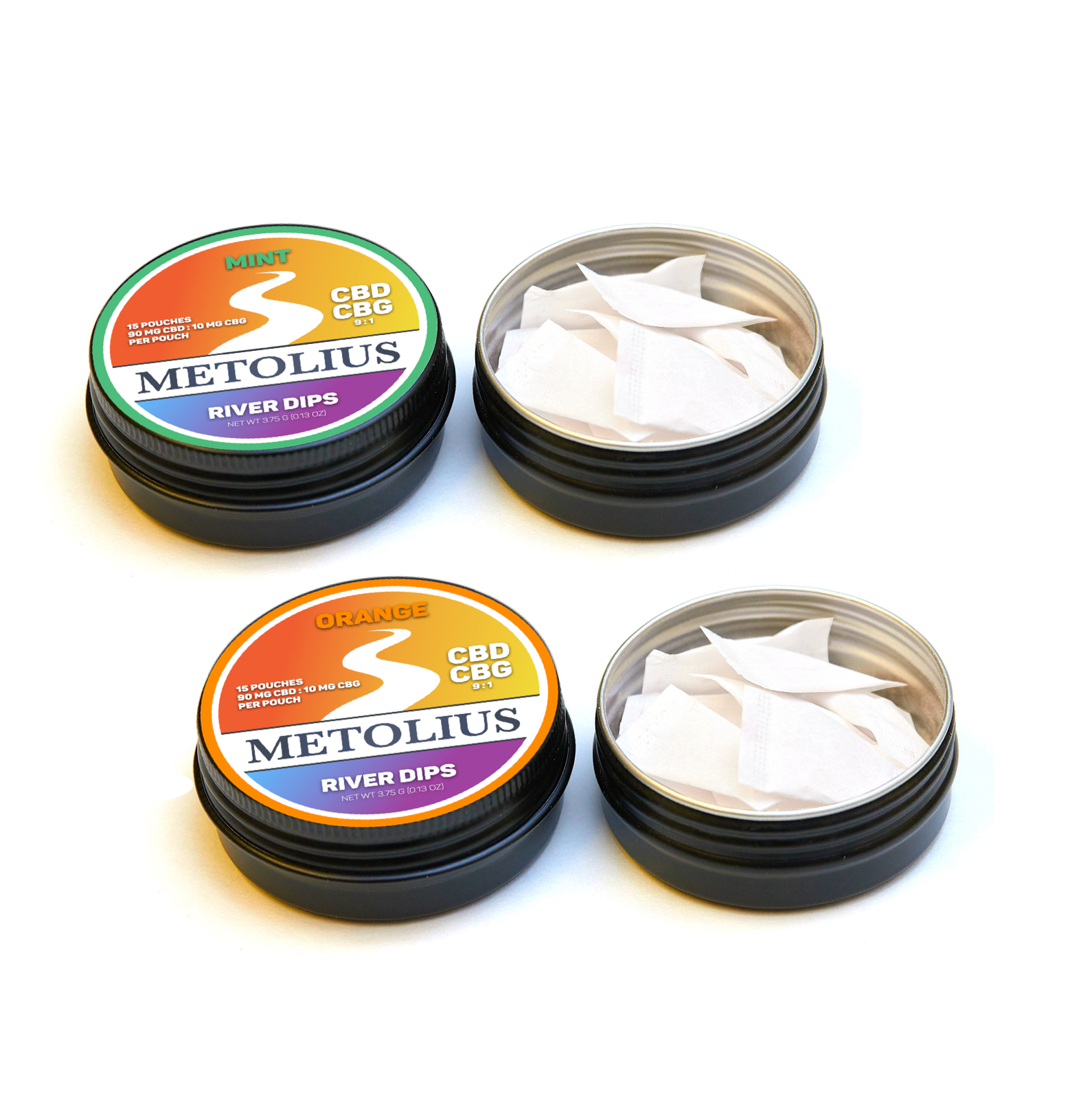


The hardest part of starting CBD is not choosing a flavor or format. It is figuring out how much to take without wasting money, feeling nothing, or taking more than you need. A good CBD dosage guide for beginners should make that simple: start low, pay attention, and adjust with a clear reason.
CBD is not a one-size-fits-all ingredient. The right dose depends on your body, your goals, the product format, and how consistently you use it. Someone taking CBD to take the edge off a stressful workday may need a different amount than someone using it as part of a wind-down routine for sleep or to support daily recovery from physical discomfort.
That is why the best approach is not chasing the highest number on the label. It is building a routine that fits your life and supports the habit changes you actually want to keep.
How CBD dosage works for beginners
CBD dosage is usually measured in milligrams, often written as mg. That number tells you how much cannabidiol you are getting in a serving, not how strong the whole bottle or package is overall. This matters because a 1500 mg tincture sounds potent, but if the bottle contains 30 servings, each serving is 50 mg.
For beginners, the goal is to find your minimum effective dose. That means the smallest amount that gives you a noticeable benefit. Starting there is practical for two reasons. First, it helps you avoid overspending. Second, it lets you learn what your body responds to before adding more variables.
Most new users do well starting with 5 to 10 mg once or twice daily. If you are especially sensitive to supplements, medications, or caffeine, start closer to 5 mg. If you are dealing with more persistent tension, discomfort, or sleep disruption, 10 mg may be a more realistic opening point.
The phrase start low and go slow gets repeated for a reason. CBD can feel subtle at first, especially if your nervous system has been running on stress, poor sleep, stimulants, or other coping patterns for a long time. A smaller dose used consistently often tells you more than a large dose taken once.
A practical CBD dosage guide for beginners by goal
Your reason for taking CBD shapes your dose just as much as your body size does.
For everyday stress support, many beginners land somewhere between 10 and 25 mg per dose. If your goal is to stay steady during work, parenting, travel, or social pressure, lower daytime doses are often enough. You want support, not drowsiness.
For sleep support, the range can be wider. Some people feel better with 15 to 25 mg taken 30 to 60 minutes before bed. Others need more, especially if sleep issues are tied to physical tension, racing thoughts, or a long-standing evening routine built around alcohol or other sedating habits. In that case, ingredient combinations matter too. CBD paired with calming botanicals, magnesium, or CBN may feel different than CBD alone.
For discomfort, recovery, or inflammation support, beginners often start around 10 to 20 mg and increase gradually if needed. Pain is not a simple category. Joint stiffness, post-workout soreness, and nerve-related discomfort can all respond differently. Topicals may help target local areas, while tinctures, capsules, or gummies can support whole-body balance.
For mood support or vice replacement, consistency becomes even more important. If you are using CBD to replace part of a nightly drinking routine, reduce nicotine cravings, or create a calmer transition out of caffeine dependence, the dose may be less important than the ritual. A measured gummy, capsule, or evening tincture can help anchor a healthier pattern.
How product format changes your dose
The same milligram amount can feel different depending on how you take it.
Tinctures
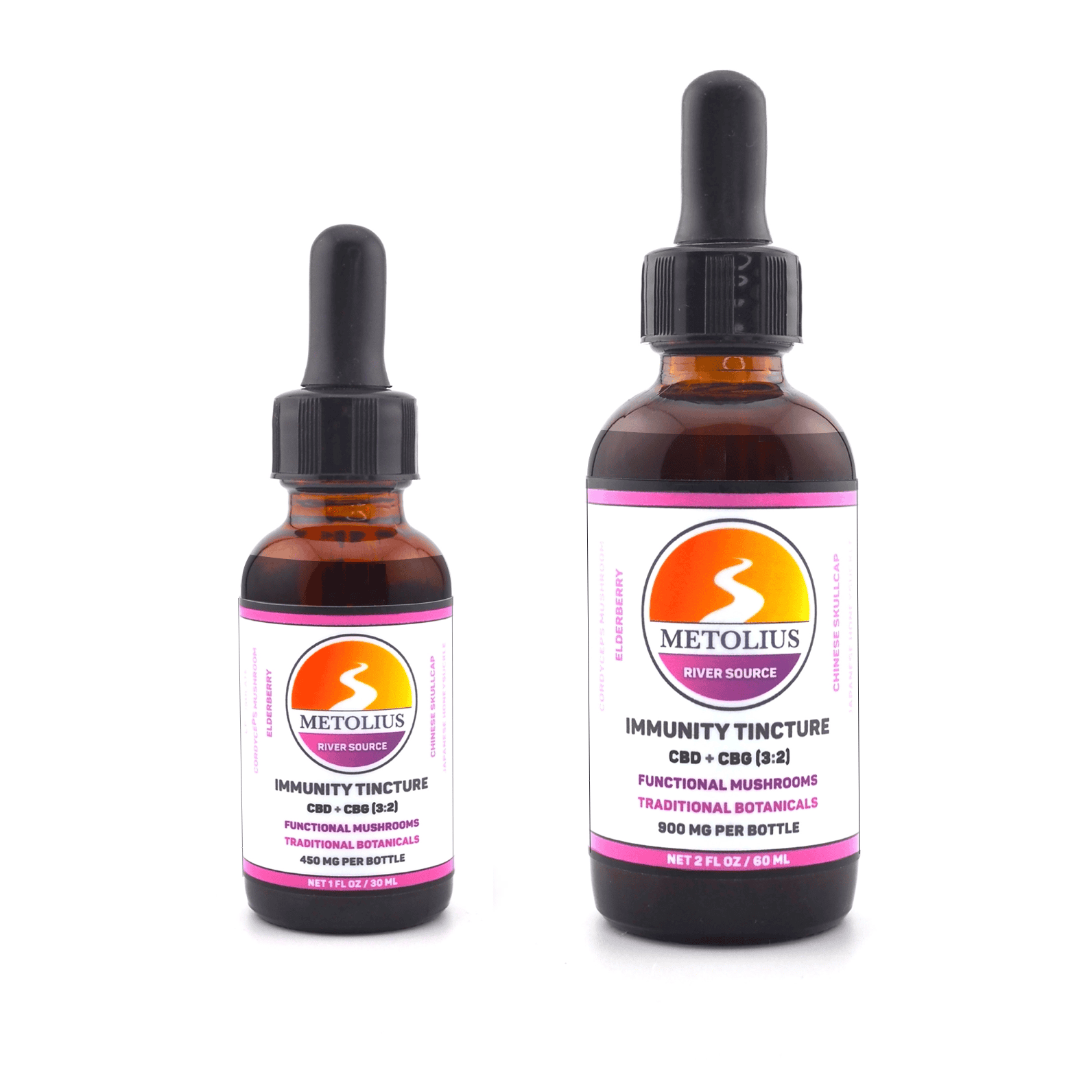
Tinctures are one of the easiest formats for beginners because they allow flexible dosing. You can start with a partial dropper and increase in small steps. They also tend to work faster than capsules or gummies, especially when held under the tongue for 30 to 60 seconds before swallowing.
If your tincture provides 25 mg per full dropper, you might begin with half a dropper for 12.5 mg. If that feels too strong or not strong enough, it is easy to adjust.
Gummies and capsules
These are ideal for people who want a fixed, convenient serving. The trade-off is less flexibility. If each gummy contains 25 mg, that may be perfect for some beginners and too much for others. In that case, splitting the gummy can help if the product allows for even division.
Capsules and gummies also take longer to kick in because they move through digestion first. That slower onset is not a downside. It just means you should not take more after 20 minutes and assume the first serving failed.
Beverages and powders
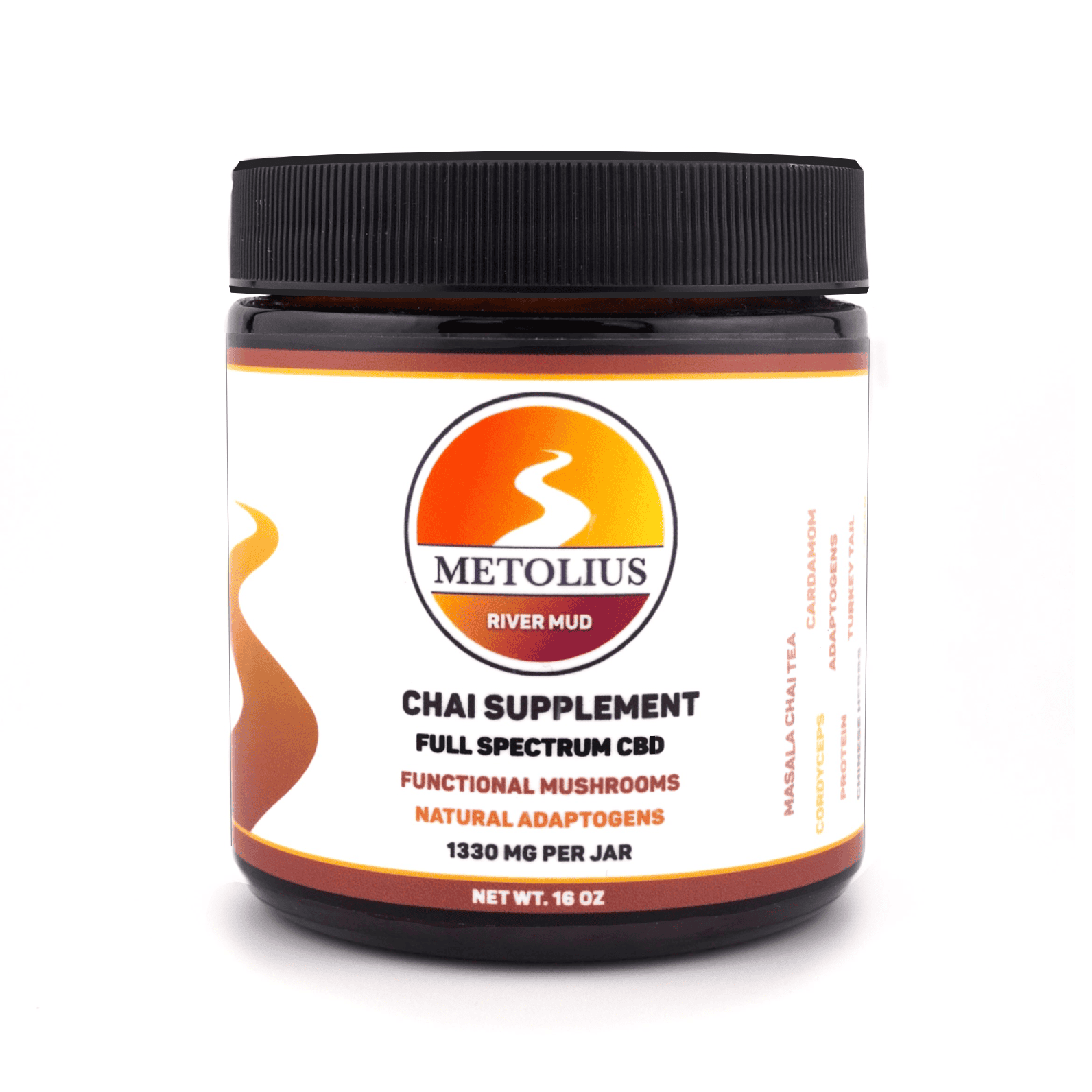
These can fit naturally into a replacement routine, especially for people trying to move away from alcohol or late-day caffeine. Dosing here varies widely, so read the serving size carefully. A drink with 10 mg may be enough for social ease or afternoon decompression, while a powder blend designed for sleep or recovery may combine cannabinoids with other active ingredients that change the feel.
Topicals
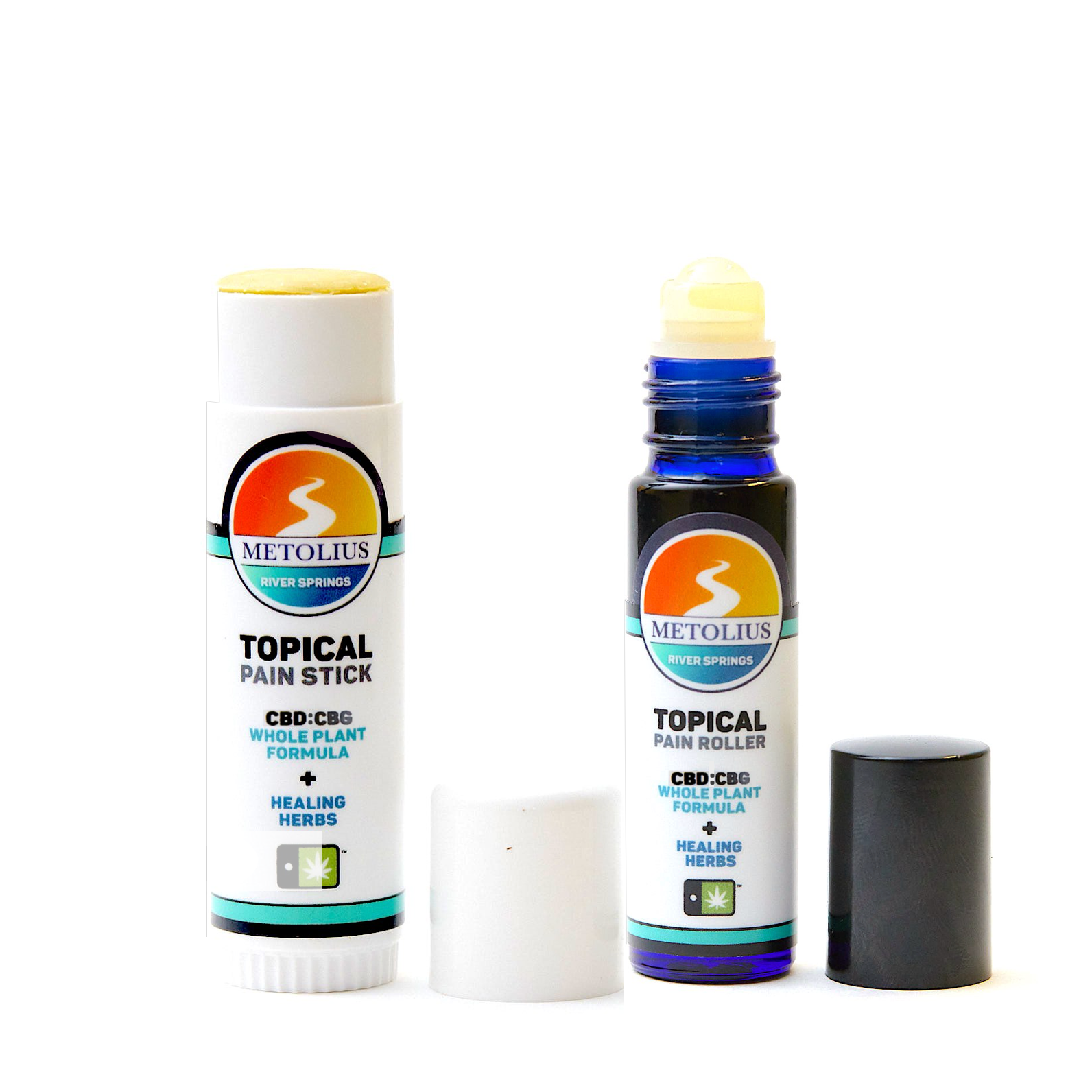
Topicals are different because they are used on the body rather than taken internally. There is no universal milligram rule for topical use. Apply enough to cover the area, then assess how it feels over the next hour. For beginners with localized discomfort, topicals can be a smart place to start because they are easy to use and straightforward in purpose.
What affects your ideal dose
Body weight plays a role, but it is not the full story. Metabolism, tolerance to supplements, hormone balance, stress load, sleep quality, and the severity of what you are trying to address all matter.
Your history also matters. If you are coming off heavy caffeine, alcohol, nicotine, or poor sleep, your system may need time before CBD feels clearly effective. That does not mean it is not working. It may mean your baseline is noisier than you realized.
The product itself matters too. Broad-spectrum, full-spectrum, and isolate formulas can feel different. Full-spectrum products may work well at lower doses for some people because multiple hemp compounds work together. But if you are highly sensitive or prefer THC-free options, broad-spectrum or isolate may be a better fit.
This is one reason premium, clearly labeled products are worth it. When the ingredient panel is clean and the serving size is transparent, you can dose with confidence instead of guessing.
How to increase your CBD dose without overdoing it
Give your starting dose at least three days before changing it, unless it obviously feels too strong. For sleep or chronic discomfort, a full week is often better. Keep the rest of your routine as consistent as possible so you can tell what is actually changing.
A simple progression works well. Start at 5 to 10 mg once or twice daily. If you feel no meaningful effect after several days, increase by 5 to 10 mg per dose. Stay there for a few more days and reassess.
Many beginners find their sweet spot somewhere between 10 and 30 mg per dose. Some need less. Some need more. The point is not reaching a certain number. The point is reaching the result you want with the least amount necessary.
If you take too much, the most common issue is that you feel overly relaxed, tired, or mentally foggy. That is usually a sign to scale back, not a sign that CBD is wrong for you altogether.
Common beginner mistakes
The first mistake is changing too many things at once. If you start CBD, a new sleep supplement, magnesium, and herbal tea in the same week, it becomes hard to know what is helping.
The second is expecting instant, dramatic results from a low dose taken once. CBD often works best as part of a rhythm. The body tends to respond better when support is predictable.
The third is ignoring the label. Always check the milligrams per serving, not just per package. This is where beginners accidentally underdose or overshoot.
The fourth is choosing a format that does not match the goal. A fast-acting tincture may make more sense for flexible daytime stress support, while a capsule or gummy may fit a structured nightly routine better.
When to talk to your doctor
If you take prescription medications, especially those with grapefruit warnings, talk to your healthcare provider before using CBD. That is also true if you are pregnant, breastfeeding, managing a serious medical condition, or buying CBD for a child or pet.
CBD can be a strong tool in a more intentional wellness routine, but it works best when used thoughtfully. At Metolius Wellness, that means choosing support that helps you move away from dependence-based habits and toward steady, plant-based relief you can actually sustain.
Start lower than you think you need, stay consistent long enough to learn something, and let your dose earn its way up. The best routine is the one that helps you feel more like yourself again.